The Current | Built to Last: Why Gaedeke Thinks in Generations, Not Quarters
THE CURRENT | Issue No. 007
Built to Last: Why Gaedeke Thinks in Generations, Not Quarters
Most real estate decisions are made with an exit in mind. Gaedeke Group’s never have been.
Most real estate decisions are made with an exit in mind. A property is acquired, improved, and eventually sold, the cycle repeating itself on whatever timeline the market dictates. It is a model built around transactions, and for many owners, it works just fine.
Gaedeke Group has never operated that way.
The company’s origins tell you everything you need to know. When Gaedeke’s founder arrived in Dallas during the aftermath of the savings and loan crisis, he wasn’t looking for a quick trade. He was looking for something worth keeping. Several of those original acquisitions, bought for cents on the dollar in the early 1990s, still anchor the portfolio today, including Gaedeke’s own headquarters in Uptown Dallas.
That kind of staying power doesn’t happen by accident. It reflects a philosophy rooted in how Europeans have understood real estate for centuries: not as a vehicle for capital, but as something closer to a responsibility.
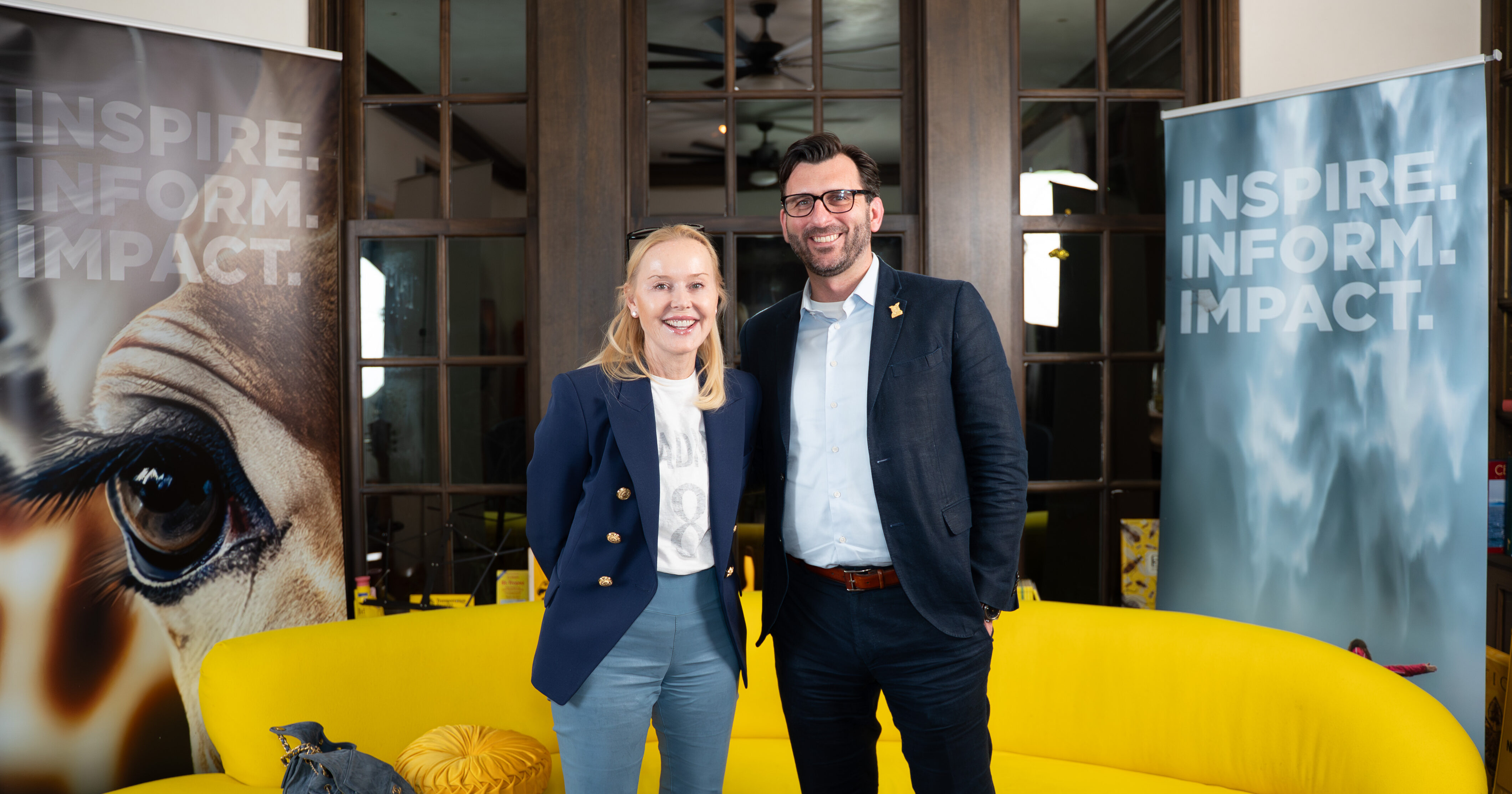
“You have a piece of real estate, it really is a generational asset, and that is a very European mindset,” says Sabine Gaedeke Stener, President and CEO of Gaedeke Group, speaking at a recent EarthX conversation on real estate sustainability. “You don’t have something and tear it down and rebuild it. You have it, and then you rework it, because the thing itself has high intrinsic value.”
That mindset shapes every decision the company makes, from how it approaches sustainability to how it thinks about the people inside its buildings.
Beyond the Scorecard
When most developers talk about sustainability, the conversation quickly turns to LEED certification: materials, energy efficiency, the building envelope. It is a useful framework, but Sabine argues it misses the most important variable entirely.
“A lot of things that American developers look at are these LEED certifications. That’s really mainly about the envelope,” she says. “But really the most important ingredient in this whole thing is the occupant. How does it make the occupant feel? Is it conducive to their workflows?”
That occupant-first standard has led Gaedeke to make investments that don’t always show up neatly in a return analysis. During the pandemic, while many building owners were still figuring out what to do, Gaedeke moved. The company retrofitted its entire portfolio with hospital-grade air purification systems, not because it was required, not because a tenant asked, but because it was the right thing to do for the people inside the buildings.
It is a decision that has aged well. As tenants have become increasingly discerning about the quality and healthfulness of their office environments, Gaedeke’s buildings were already ahead of the standard.
Designing for the Day
One Legacy West in Plano is perhaps the clearest expression of what occupant-first thinking looks like when it is baked into a building from the ground up. Gaedeke developed the property around a deceptively simple question: what does a day in this building actually look like?
The answer informed everything. Conference facilities designed to reduce the friction of in-person collaboration. A fitness center positioned as a genuine amenity, not an afterthought. Food and beverage options that make staying in the building more appealing than leaving it. Outdoor spaces that give people somewhere to go when they need a change of scenery.
“We went through every piece of the day of an occupant,” Sabine explains. “What do they need in the morning? What do they need at noon? What do they need in the afternoon? And we just tried to design that in.”
The result is a building that functions less like a container for office space and more like a platform for the workday. Tenants don’t just lease square footage there. They use the place.
The Long Game
What distinguishes Gaedeke’s approach is not any single investment or amenity program. It is the consistency of the orientation behind them. Every decision, from air purification to building design to sustainability commitments, flows from the same premise: that the people inside the building matter, and that a building worth keeping is one that earns its place in their working lives.
That premise is easier to hold when you are not managing to an exit. Generational ownership is not just a financial posture. It is a design constraint, one that keeps the long-term value of the asset in view even when short-term tradeoffs might push in a different direction.
Gaedeke has been building toward that vision for years. At Gaedeke, that has always been the plan.
—
Watch the full conversation with Sabine Gaedeke Stener at EarthX: Watch on YouTube
Have a story idea for The Current? We’d love to hear from you.