
The Lobby Is the New Handshake
Before a tenant signs, before a guest reaches their meeting, before anyone steps off the elevator, the lobby has already made its case. Here's why we think it's the most important room in the building.
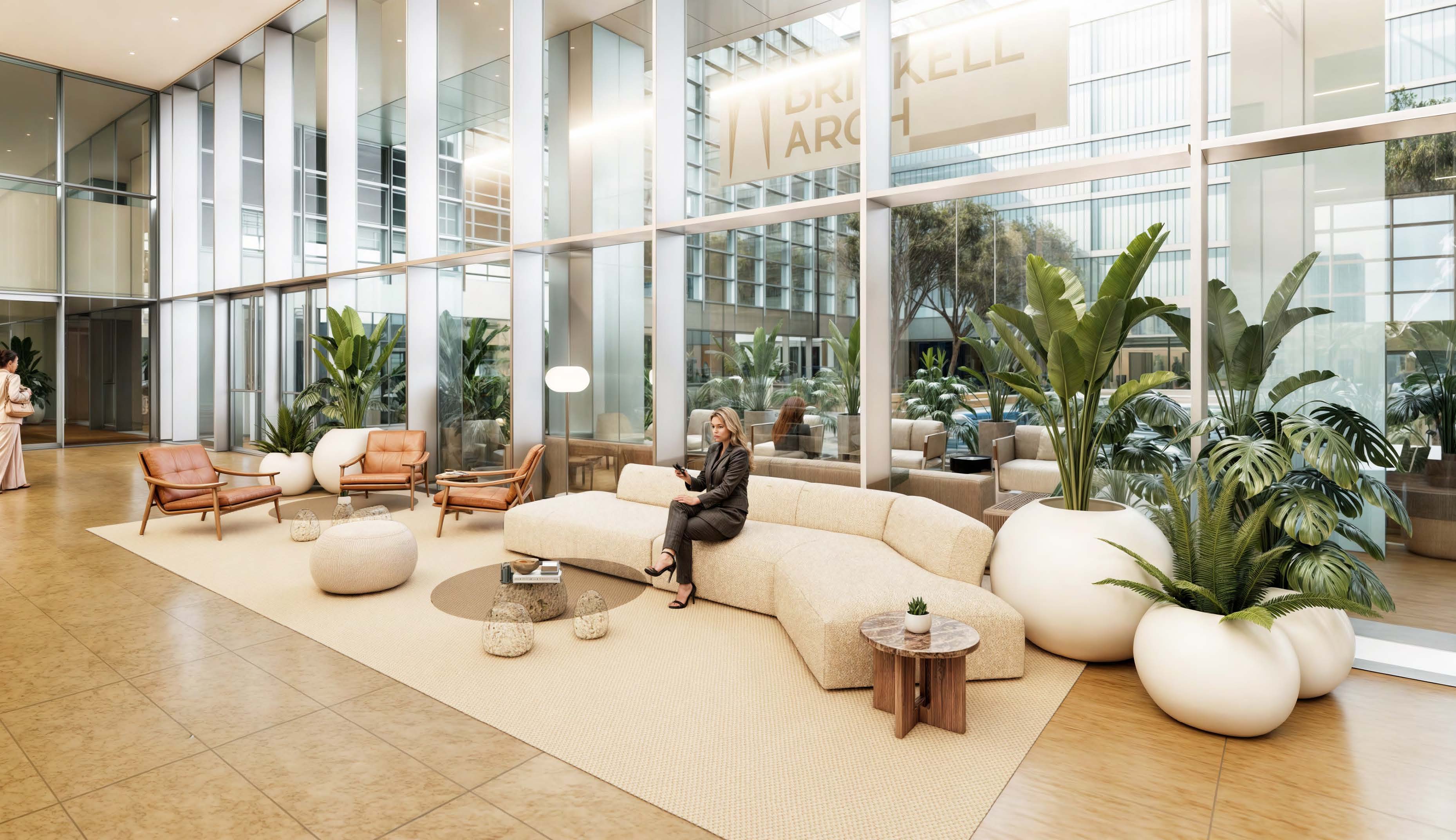
Think about the last time you walked into an office building for the first time. Within a few seconds, you'd already decided something about it. Maybe it felt polished and alive. Maybe it felt like a hallway with a security desk. Either way, you formed an opinion before you ever saw a single suite.
That's the power of the lobby. It's the one space every tenant, visitor, and prospect passes through, and it sets the tone for everything that follows.
A lobby isn't a hallway to the elevators. It's the building's first impression, every single day.
From Checkpoint to Living Room
For decades, lobbies were built to impress and to control. Lots of stone, a reception desk, and a clear path to the elevators. That model made sense when coming into the office was a given. Nobody needed to be persuaded to show up.
That's changed. Today, people have a choice about where and how often they work, and companies have a choice about where they lease. The lobby has quietly become the building's first argument for why it's worth the trip.
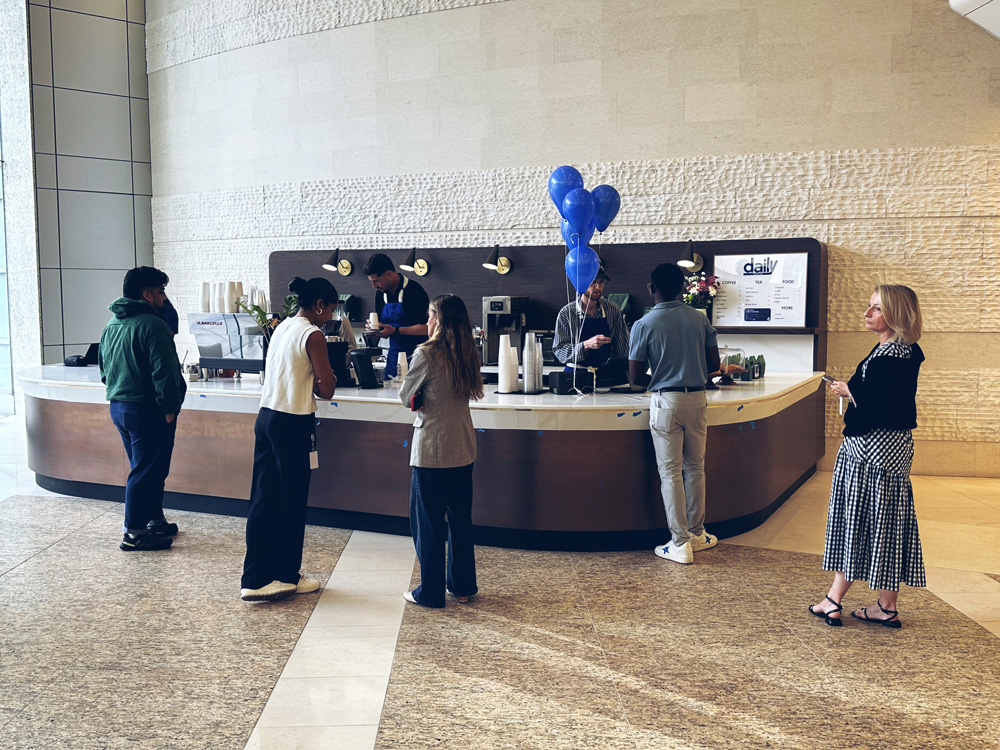
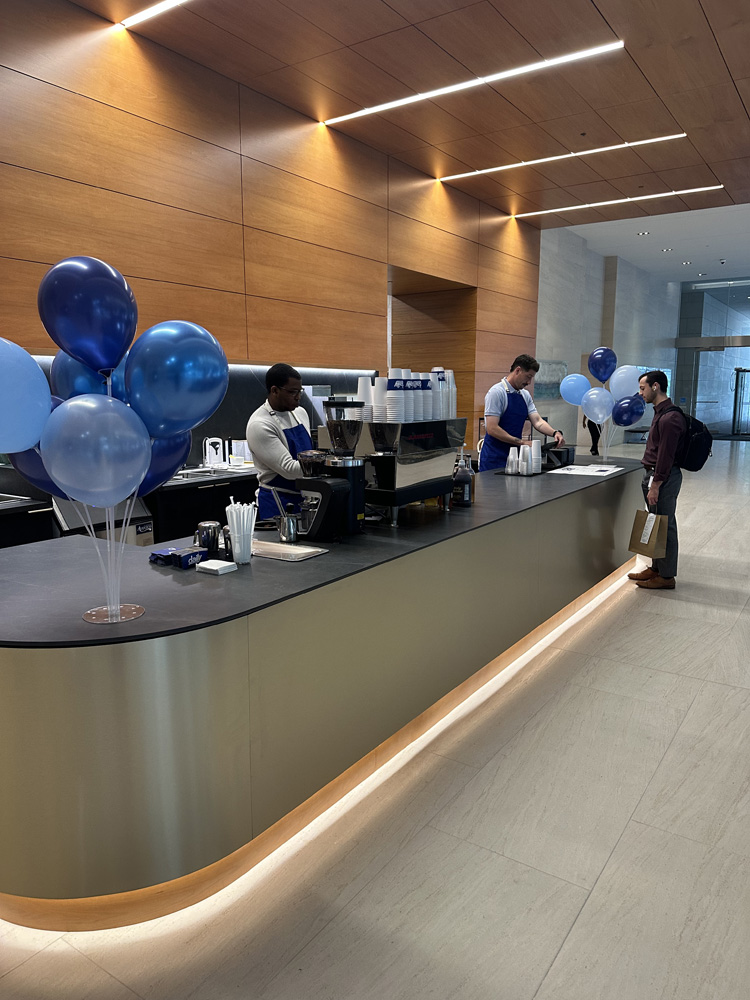
The best ones now feel less like a checkpoint and more like a living room. They give people a reason to linger, whether that's a comfortable place to sit, good light, or a coffee on the way up. We've seen it firsthand. Since Daily Coffee opened in the lobbies of One McKinney and 17Seventeen McKinney, those spaces have become everyday meeting spots, where tenants grab a morning cup, catch up with a colleague, or take a call away from their desks. The best lobbies also make it easy to know where you're going. Most of all, they feel like they belong to the people who use them every day.
Where We're Putting It to Work
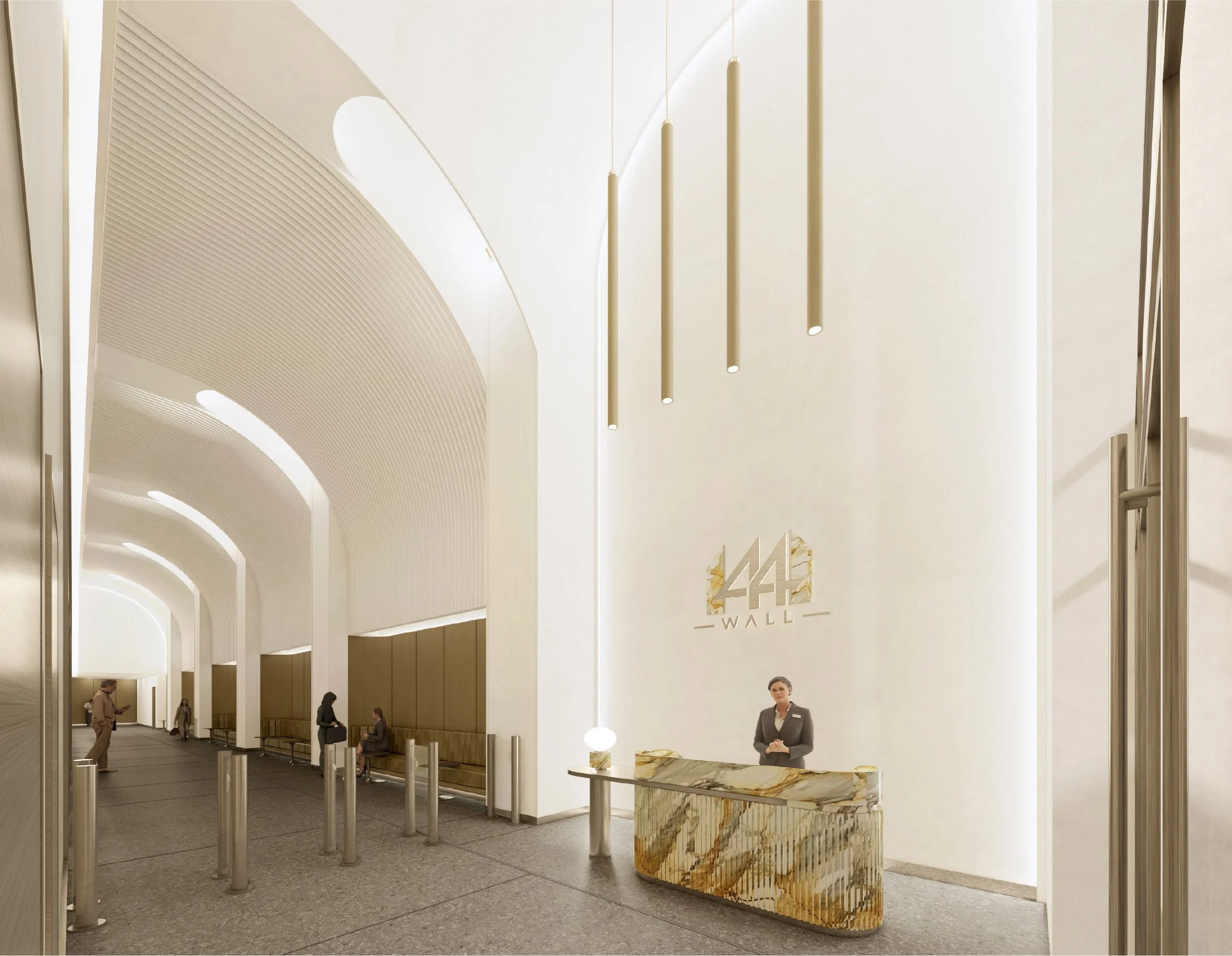
It's why lobbies are at the center of so much of our work right now. At 44 Wall Street, a full lobby renovation and a roughly 13,000-square-foot amenity center are underway, giving one of the Financial District's most storied addresses an arrival experience that matches its history.
At Brickell Arch, the lobby is being reimagined to match the energy of Miami's financial district right outside its doors.
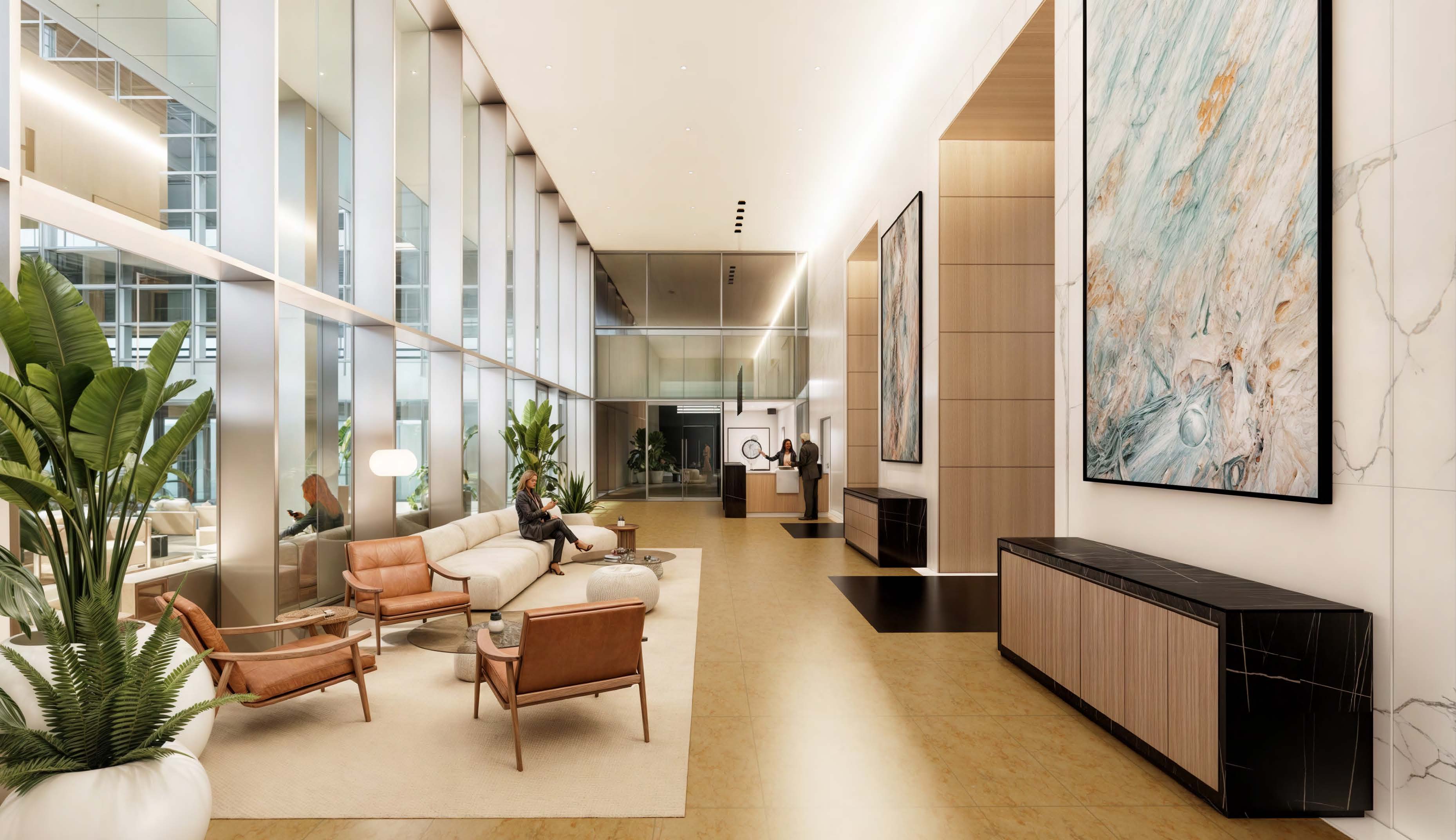
At Millennium Tower, the lobby is part of a broader renovation that's also bringing new digital displays and directories to help the building communicate with the people inside it. At One McKinney, the lobby is next.

Each project looks different, because each building has its own character and its own tenants. The goal is the same, though: when someone walks through the front door, they should feel like the building was expecting them.
Why It Matters to Owners
There's a practical side to all of this. Every leasing tour starts in the lobby. Brokers and decision-makers form their first impression there, and it's hard to undo a weak one by the time you reach the space. A great lobby doesn't close a deal on its own, but a tired one can quietly cost you one.
There's a longer-term side, too. As an owner-operator that holds buildings for decades, we see the lobby as the one amenity every tenant uses, every single day. A fitness center or a conference room serves some people some of the time. The lobby serves everyone, all the time. That makes it one of the smartest investments we can make in the experience of the people we serve.
The First Hello
A handshake doesn't tell you everything about a person, but it tells you something. The same goes for a building. Long before anyone talks about rates, floor plates, or lease terms, the lobby has already introduced us.
We want that introduction to be a good one.

He leads brand strategy, editorial content and tenant experience across the firm's portfolio in Dallas, Miami, New York and Washington, D.C.